Festival Porta Potties
Crowd-ready portable restrooms in Bethesda, MD.
- ✓ Rapid Deployment
- ✓ High-Capacity Layouts
- ✓ Flexible Servicing
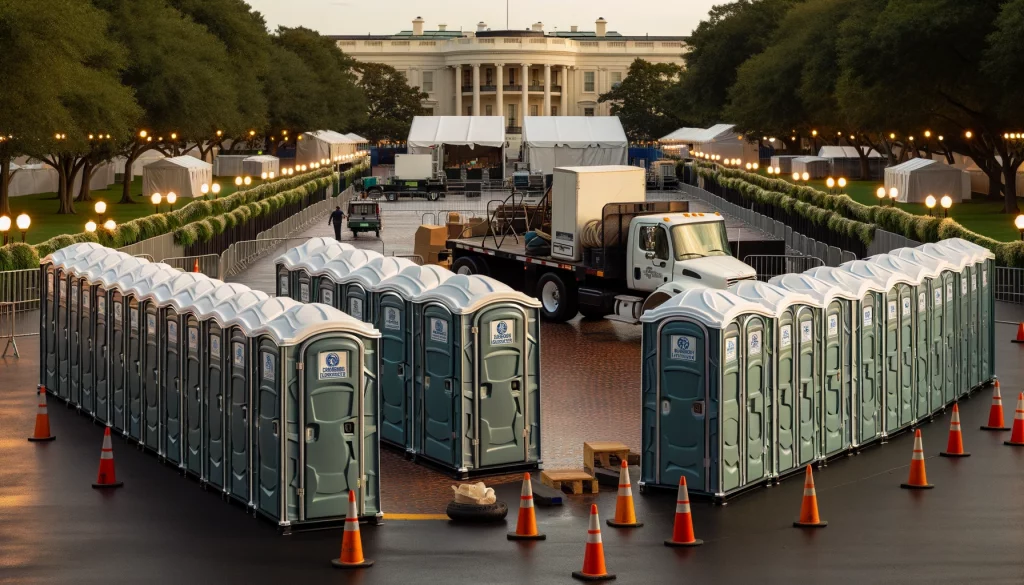
Crowd-ready portable restrooms in Bethesda, MD.
Festival restroom planning works best when it is integrated with the overall site map. Begin with expected daily attendance, the number of operating days, opening hours, vendor count, and whether alcohol or extensive food service is part of the program. Usage is rarely even throughout the day. Crowds may peak at entry, between performances, after meals, or near a headline activity, so locations should account for where people will naturally gather. A main restroom bank may suit a central open area, while additional units can help serve distant stages, vendor rows, family zones, or parking-adjacent entrances. Do not put all units in a single location if attendees would need to walk too far from major activities. At the same time, each cluster needs a clear route for delivery, service, and eventual pickup. Build accessible restroom needs into the initial plan rather than treating them as an afterthought. Identify a stable, reasonably level approach and avoid blocking it with fencing, merchandise lines, temporary power equipment, or crowd-control barriers. Festival managers should also consider directional signs, nighttime visibility, and space for orderly queues. A well-marked restroom area can reduce congestion and help attendees find facilities before lines become disruptive. Provide QuickRelief Sanitation Services with the site address, access gate, delivery contact, preferred placement points, operating schedule, and any restrictions imposed by the property or local event plan. Access details such as narrow gates, uneven fields, low branches, soft ground, or limited truck hours can affect the workable arrangement. Planning these elements early helps the restroom layout support the festival rather than compete with entertainment, vendors, or emergency routes.
Multi-day festivals require attention to ongoing cleanliness and service frequency. The appropriate approach can depend on attendance patterns, number of units, weather, duration, and how heavily each area will be used. Discuss the festival schedule and anticipated demand openly so service considerations can be reviewed for the rental period. A small neighborhood event may have different needs from a weekend program with multiple stages and steady vendor traffic. Keep service routes free throughout the event; a placement that is accessible before gates open may become unreachable once booths, tables, generators, or parked vehicles are in place. Establish a responsible on-site contact who can communicate placement changes and access conditions. Weather planning is equally useful. Rain may affect field conditions and pedestrian paths, while hot days can make easy restroom access especially important. Consider firm surfaces where possible and leave room around units for guests to approach without crossing food-service lines or high-traffic vehicle areas. Pickup should be included in the site plan as well, particularly if teardown crews will be working after the final program. Quote factors commonly relate to the quantity and type of units, rental duration, delivery access, property conditions, and servicing requested. Accurate attendance estimates and a detailed map help avoid an undersized or poorly distributed setup. QuickRelief Sanitation Services provides fast service and prompt, professional customer service to Bethesda festival teams coordinating many moving parts. Before opening, walk the site to confirm that units are visible, access lanes remain open, accessible routes are clear, and signs match the final layout. This final check can help the restroom plan work smoothly for attendees, vendors, performers, and staff.